

logo
Bizim Hakkımızda
China Jixiang Siji Industrial Co., Ltd.
Bizim Hakkımızda
Jixiang Siji Industrial Co., Ltd.
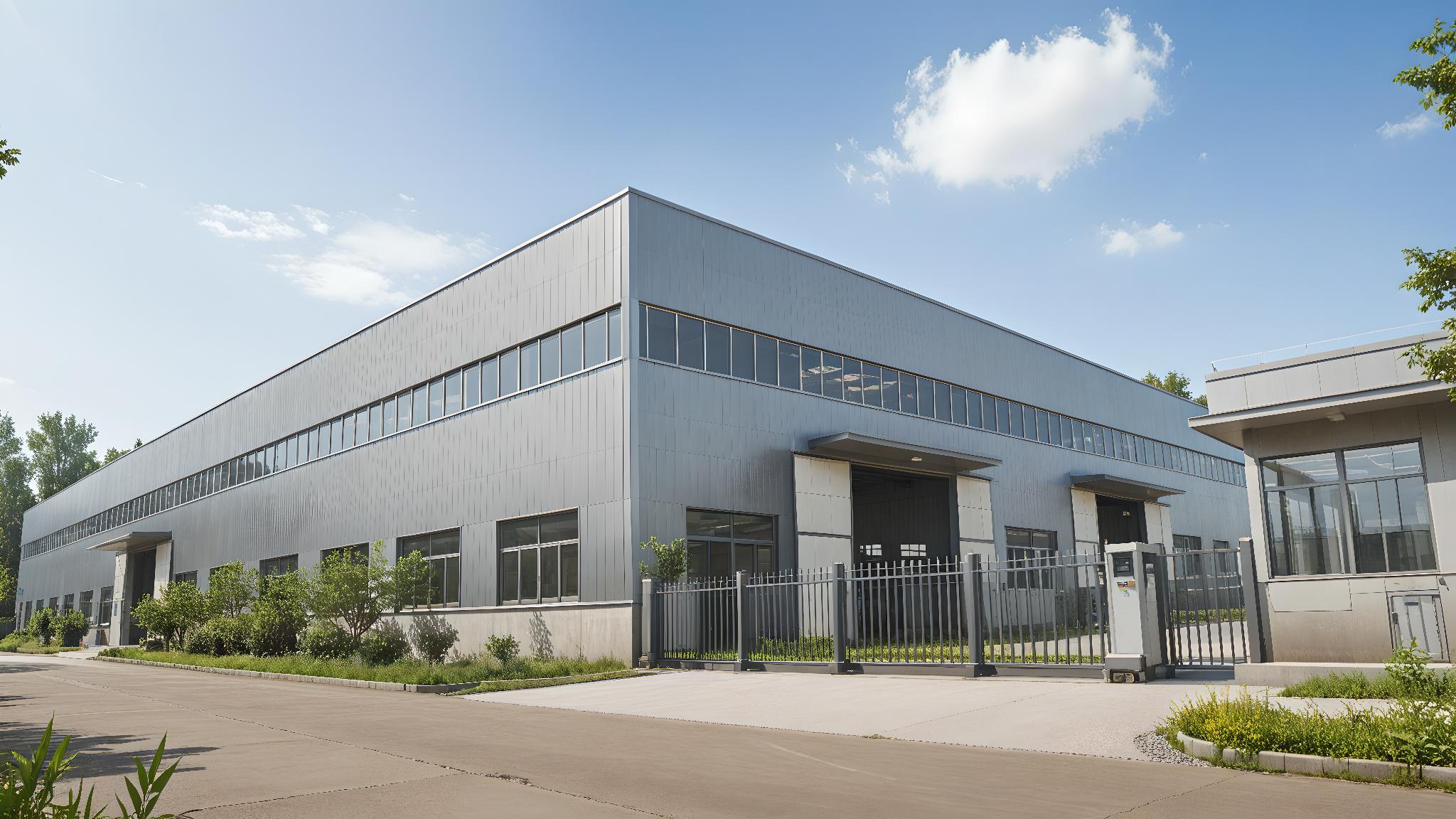
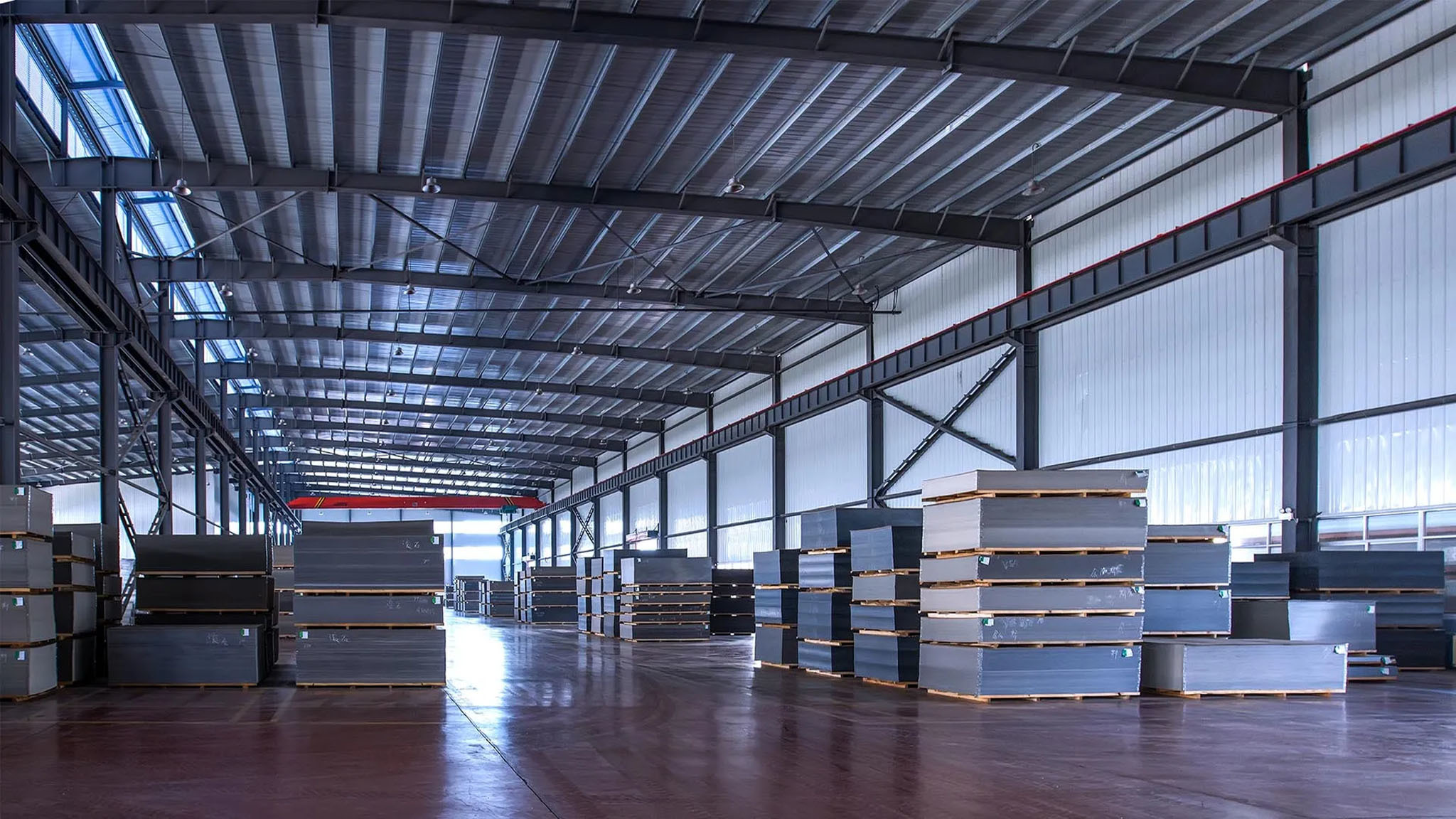
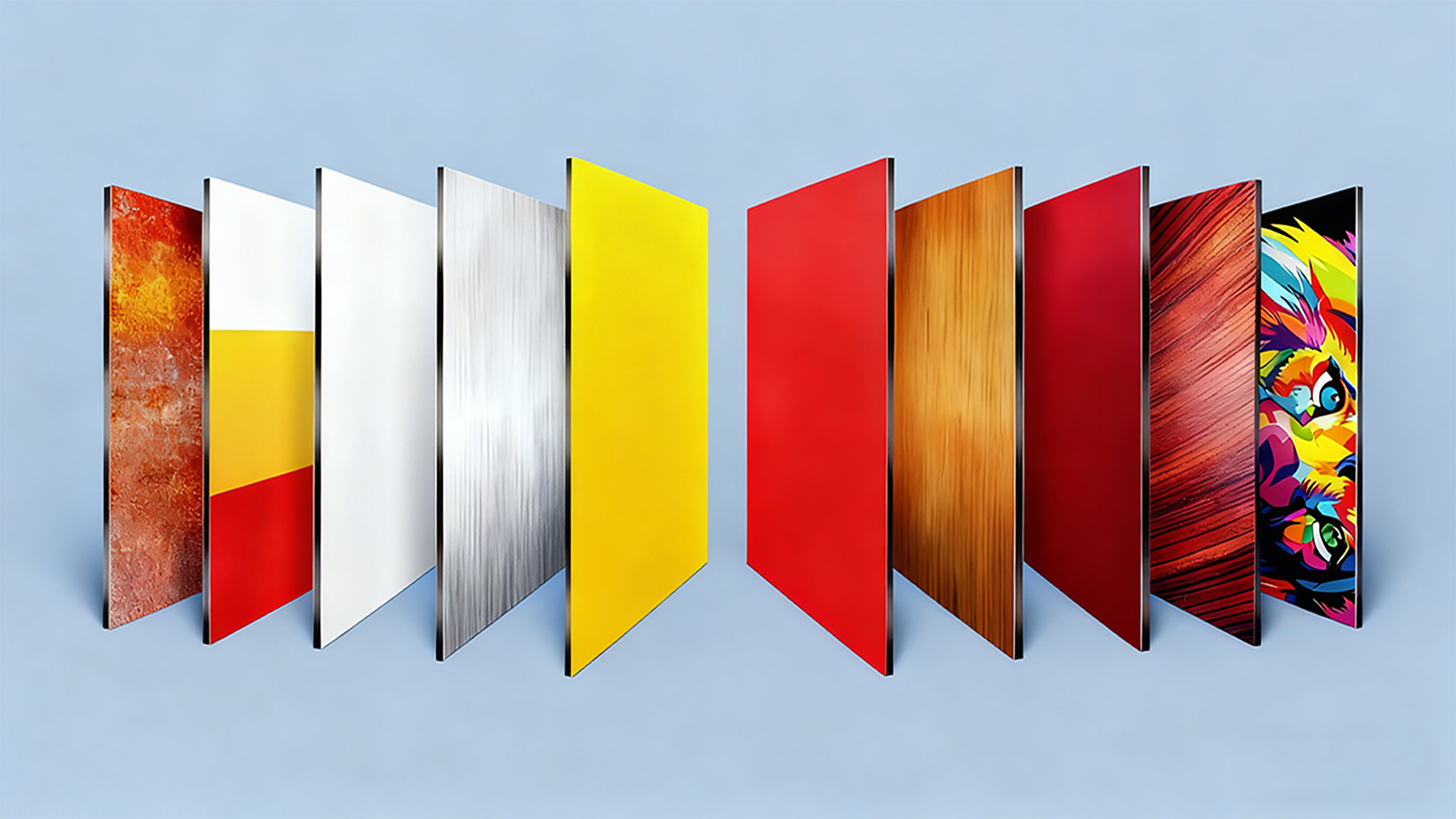
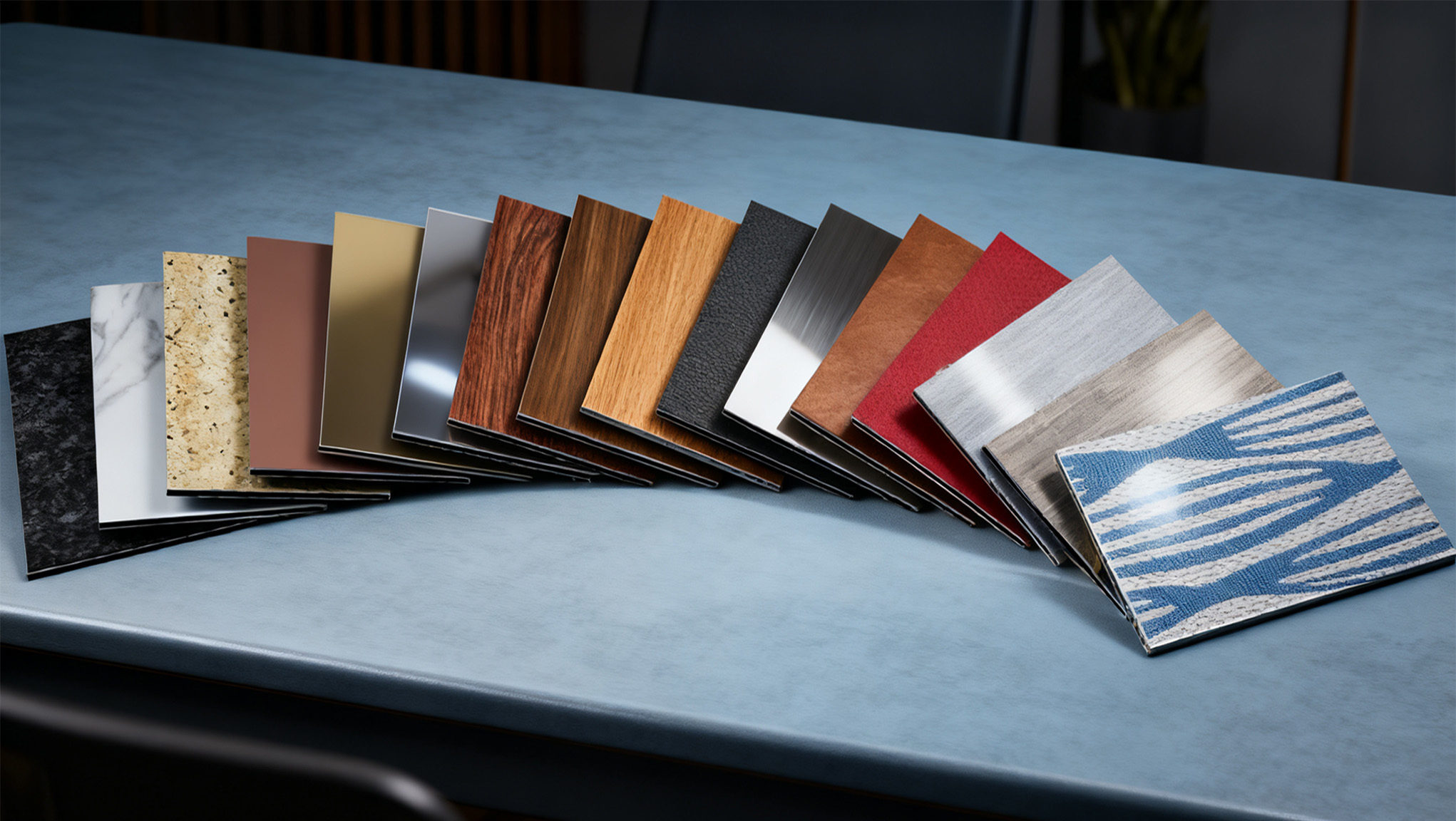
Alushang, derin işleme ve dış püskürtme alüminyum kompozit paneller, kaplamalar, bal sapı panelleri, dalgalanmış paneller,Ve tavanlar..İlk aşama yatırımı 30 milyon RMB'dir ve fabrika alanı 30000 metrekare.Uyumlu ulaşımla ve yüksek kaliteli bir alüminyum levha kaynak dağıtım merkezi ile bitişikAlushang, esas olarak çeşitli flüorokarbonla püskürtülmüş alüminyum panelleri, poliesterle pişirilmiş boya alüminyum panelleri,Gerçek taş boya alüminyum kaplamalar, alüminyum bal sapı panelleri ve alüminyum ...
Daha fazlasını oku
A talebi Çeviri:
0+
Yıllık satışlar
0
Yıl
Müşteriler
0%
P.C.
0+
Çalışanlar
BİZ SAĞLIYORUZ
En iyi hizmet!
Bize çeşitli yollarla ulaşabilirsiniz.
Bizimle İletişim
Jixiang Siji Industrial Co., Ltd.

Kalite PE Alüminyum Kompozit Panel & Yangına Dayanıklı Alüminyum Kompozit Panel Fabrika

Etkinlikler
Son şirket haberleri Hafif Fasad Eğilimleri: Mermer ACM Panelleriyle Almatı Gökdelenlerinde Yapısal Yükü Azaltmak
Hafif Fasad Eğilimleri: Mermer ACM Panelleriyle Almatı Gökdelenlerinde Yapısal Yükü Azaltmak

2026-07-17

.gtr-container-7f3e9a { font-family: Verdana, Helvetica, "Times New Roman", Arial, sans-serif; color: #333333; line-height: 1.6; padding: 20px; max-width: 100%; box-sizing: border-box; overflow-wrap: break-word; word-break: normal; } .gtr-container-7f3e9a p { font-size: 14px; margin-bottom: 1em; text-align: left !important; } .gtr-container-7f3e9a strong { font-weight: bold; } .gtr-container-7f3e9a .gtr-title-main { font-size: 18px; font-weight: bold; color: #3176FF; margin-bottom: 1.5em; line-height: 1.3; text-align: left; } .gtr-container-7f3e9a .gtr-title-section { font-size: 18px; font-weight: bold; color: #3176FF; margin-top: 2em; margin-bottom: 1em; line-height: 1.4; text-align: left; } .gtr-container-7f3e9a .gtr-title-subsection { font-size: 16px; font-weight: bold; color: #3176FF; margin-top: 1.5em; margin-bottom: 0.8em; line-height: 1.5; text-align: left; } .gtr-container-7f3e9a ul, .gtr-container-7f3e9a ol { margin: 1em 0; padding-left: 25px; list-style: none !important; } .gtr-container-7f3e9a ul li, .gtr-container-7f3e9a ol li { position: relative; margin-bottom: 0.5em; padding-left: 20px; font-size: 14px; text-align: left; list-style: none !important; } .gtr-container-7f3e9a ul li::before { content: "•" !important; position: absolute !important; left: 0 !important; color: #3176FF; font-size: 1.2em; line-height: 1; } .gtr-container-7f3e9a ol { counter-reset: list-item; } .gtr-container-7f3e9a ol li::before { content: counter(list-item) "." !important; position: absolute !important; left: 0 !important; color: #3176FF; font-weight: bold; width: 20px; text-align: right; line-height: 1.6; } .gtr-container-7f3e9a .gtr-table-wrapper { overflow-x: auto; margin-top: 1.5em; margin-bottom: 2em; } .gtr-container-7f3e9a table { width: 100%; border-collapse: collapse !important; border-spacing: 0 !important; margin: 0 !important; min-width: 600px; } .gtr-container-7f3e9a th, .gtr-container-7f3e9a td { border: 1px solid #D0D0D0 !important; padding: 10px 15px !important; text-align: left !important; vertical-align: top !important; font-size: 14px !important; word-break: normal !important; overflow-wrap: normal !important; } .gtr-container-7f3e9a thead th { background-color: #E6F0FF; color: #3176FF; font-weight: bold !important; } .gtr-container-7f3e9a tbody tr:nth-child(even) { background-color: rgba(49, 118, 255, 0.03); } .gtr-container-7f3e9a tbody tr:hover { background-color: rgba(49, 118, 255, 0.1); } @media (min-width: 768px) { .gtr-container-7f3e9a { padding: 30px 40px; } .gtr-container-7f3e9a .gtr-title-main { font-size: 24px; } .gtr-container-7f3e9a .gtr-title-section { font-size: 20px; } .gtr-container-7f3e9a .gtr-title-subsection { font-size: 18px; } .gtr-container-7f3e9a table { min-width: auto; } } Hafif Bina Cephe Trendleri: Almatı Gökdelenlerinde Yapısal Yükün Mermer ACM Panellerle Azaltılması Kazakistan'ın finans ve kültür merkezi Almatı, modern mimari tasarım için zorlu bir ortam sunuyor. Şehrin silueti yükseldikçe, cephe mühendisleri kritik bir yapısal kesişme noktasıyla karşı karşıya kalıyor: şiddetli sismik aktivite bölgelerine ve büyük mevsimsel sıcaklık dalgalanmalarına kafa kafaya veren birinci sınıf, doğal taş estetiğine yönelik derin mimari tercihi. Almatı'daki yüksek binalar için bina kabuğunun ölü yükünün hafifletilmesi artık sadece bütçe meselesi değil, aynı zamanda temel bir güvenlik ve yapısal gerekliliktir. Gelişmiş mermer kaplamalara sahip Hafif Alüminyum Kompozit Malzeme (ACM) panellere doğru büyüyen geçiş, Orta Asya'daki gökdelenlerin yapısal bütünlükten ödün vermeden lüks estetiğe ulaşma biçiminde devrim yaratıyor. Yapısal Zorluk: Almatı'da Sismik Yük ve Ağır Taş Almatı, Trans-İli Alatau dağlarının eteklerinde sismik açıdan aktif bir bölgede yer almaktadır. Yapı mühendisliğinde, sismik bir olay sırasında bir gökdelene uygulanan dinamik yanal kuvvet, binanın toplam kütlesiyle doğru orantılıdır ($F = m \cdot a$). Ölü Yük Tehlikesi:Geleneksel doğal taş kaplama (25 mm – 30 mm kalınlığında mermer veya granit gibi) çok büyük bir ölü yük getirir.65$\text{ kg/m}^2$ile$80\text{ kg/m}^2$binanın dış cephesine. Yüksek katlı bir yapıda bu, yüzlerce tonluk ağırlık çekme anlamına gelir ve yapı mühendislerini temeller, kolonlar ve perde duvarlarda aşırı mühendislik yapmaya zorlar. Termal Stres Arttırma:Almatı'da mevsimsel sıcaklıklar$-30^\circ\text{C}$kışın sonuna kadar$35^\circ\text{C}$Yaz aylarında ağır taş cepheler sürekli termal genleşme ve daralma yaşar. Bu termal döngü, sert taş bağlantı noktalarına çok büyük bir baskı uygulayarak, bir deprem sırasında mikro çatlama ve panelin yıkıcı bir şekilde ayrılması riskini artırır. Çözüm: Mermer Kaplamalı ACM Panellerin Mühendislik Avantajları Marble Finish ACM panelleri, taşın birinci sınıf görsel ağırlığını fiziksel kütlesinden ayırarak bu mühendislik paradoksunu çözüyor. Mineral dolgulu, yangına dayanıklı (FR) veya yanmaz bir çekirdeğe bağlanan iki esnek alüminyum kaplamadan oluşan bu paneller, yüksek katlı performansı yeniden tanımlıyor. 1. Cephe Ölü Yükünün %85'inin Sıyırılması Doğal taştan mermer ACM'ye geçişin en önemli avantajı kütledeki radikal azalmadır: Doğal Mermer: $\sim 70\text{ kg/m}^2$ Mermer ACM (4mm/0,50mm dış yüzey): $\sim 5,5 - 7,5\text{ kg/m}^2$ ACM'ye geçildiğinde bir gökdelenin zarf ağırlığı %85'in üzerinde azalır. Bu büyük azalma binanın ağırlık merkezini önemli ölçüde azaltır ve sismik bir olay sırasında çelik veya beton alt çerçeveye etki eden atalet kuvvetlerini önemli ölçüde azaltır. Mimarların, mermer yüksek binanın lüksünü ve hakimiyetini korurken, daha hafif, daha uygun maliyetli yapısal iskeletler tasarlamasına olanak tanıyor. 2. Esnek Altyapılar ve Termal Yer Değiştirme Ağır taşlar için gereken sert, bükülmez ankraj sistemlerinin aksine, ACM panelleri özel olarak tasarlanmış asılı veya kayan yağmur perdesi sistemlerini kullanır. Almatı'da aşırı günlük veya mevsimsel sıcaklık değişimleri yaşandığında, alüminyum kaplamalar elastik olarak genişler ve büzülür. Geniş bir sıcaklık farkı üzerinde beklenen termal hareket, oluklu alt çerçeve klipsleri ve esnek genleşme derzleri tarafından sorunsuz bir şekilde emilir ve panel matrisinde herhangi bir iç gerilimin oluşmamasını sağlar. Sismik kaymalar altında bu esnek ve hafif düzen, sert ve kırılgan bir duvar yerine darbe emici bir perde görevi görür. Teknik Karşılaştırma: Yüksek Bina Mühendisliği Metrikleri Mühendislik Metriği Ağır Doğal Taş (25mm) Mermer Kaplama ACM (4mm) Yapısal ve Sismik Fayda Ağırlık Etkisi Yüksek (65 - 80$\text{ kg/m}^2$) Son Derece Düşük (5,5 - 7,5$\text{ kg/m}^2$) Yanal sismik kuvvetleri en aza indirir; temel ve alt çerçeve maliyetlerini azaltır. Malzeme Esnekliği Düşük (Gevrek kırılma riski) Yüksek Süneklik (Sapmayı absorbe eder) Rüzgar yükleri ve sismik kaymalar altında çatlama olmadan güvenli bir şekilde verim sağlar. Kurulum Hızı Yavaş; ağır vinçler ve büyük çapalar gerektirir Hızlı; hafif paneller işçilik ve iskele süresini azaltır Yüksek katlı yapılar için inşaat çevrim sürelerini azaltır. Nem / Donma-Çözülme Gözenekli; yüksek donma riski %0,00 Emilim(Getirimsiz) Almatı'nın sert kışlarında yaygın olan donma-çözülme çatlamasını ortadan kaldırır. Sonuç: Almatı Gökdelenleri için Modern Standart Almatı modern dikey mimarinin sınırlarını zorlarken, hafif bina kaplamalarına geçiş de hızlanıyor. Yüksek performanslı Mermer Kaplamalı ACM paneller, gelişmiş UV dirençli PVDF bobin kaplamaları aracılığıyla birinci sınıf taş dokuların ve damarlanmaların kusursuz bir şekilde kopyalanmasını sağlar. Geliştiriciler, yapı mühendisleri ve B2B tedarik profesyonelleri için mermer ACM'yi belirtmek stratejik bir mühendislik kararıdır. Mermerin zamana meydan okuyan prestijini, Orta Asya'nın önde gelen sismik ve aşırı iklim metropolünün talep ettiği ileri düzey fiziksel performansla mükemmel bir şekilde birleştiriyor.
Daha fazlasını izle
Son şirket haberleri Mermer Finish ACP Neden Güneydoğu Asya'nın İklimleri İçin İdeal Fasad Çözümüdür
Mermer Finish ACP Neden Güneydoğu Asya'nın İklimleri İçin İdeal Fasad Çözümüdür

2026-07-17

.gtr-container-d7e9f0 { font-family: Verdana, Helvetica, "Times New Roman", Arial, sans-serif; color: #333333; line-height: 1.6; padding: 20px; max-width: 100%; box-sizing: border-box; } .gtr-container-d7e9f0 p { margin-bottom: 1em; text-align: left !important; font-size: 14px; } .gtr-container-d7e9f0 strong { font-weight: bold; color: #3176FF; } .gtr-container-d7e9f0 .gtr-title-main { font-size: 18px; font-weight: bold; color: #3176FF; margin-bottom: 1.5em; line-height: 1.4; text-align: left; } .gtr-container-d7e9f0 .gtr-title-section { font-size: 18px; font-weight: bold; color: #3176FF; margin-top: 2em; margin-bottom: 1em; line-height: 1.4; text-align: left; } .gtr-container-d7e9f0 .gtr-title-subsection { font-size: 16px; font-weight: bold; color: #3176FF; margin-top: 1.5em; margin-bottom: 0.8em; line-height: 1.4; text-align: left; } .gtr-container-d7e9f0 ul { list-style: none !important; padding-left: 20px !important; margin-bottom: 1em; } .gtr-container-d7e9f0 ul li { position: relative !important; padding-left: 20px !important; margin-bottom: 0.5em; font-size: 14px; text-align: left; list-style: none !important; } .gtr-container-d7e9f0 ul li::before { content: "•" !important; position: absolute !important; left: 0 !important; color: #3176FF !important; font-size: 1.2em !important; line-height: 1; } .gtr-container-d7e9f0 ol { list-style: none !important; padding-left: 25px !important; margin-bottom: 1em; counter-reset: list-item; } .gtr-container-d7e9f0 ol li { position: relative !important; padding-left: 25px !important; margin-bottom: 0.5em; font-size: 14px; text-align: left; list-style: none !important; } .gtr-container-d7e9f0 ol li::before { content: counter(list-item) "." !important; position: absolute !important; left: 0 !important; color: #3176FF !important; font-weight: bold !important; width: 1.5em !important; text-align: right !important; counter-increment: none; } .gtr-container-d7e9f0 .gtr-table-wrapper { overflow-x: auto; margin-top: 2em; margin-bottom: 2em; border-radius: 8px; box-shadow: 0 2px 8px rgba(0, 0, 0, 0.1); } .gtr-container-d7e9f0 .gtr-data-table { width: 100% !important; border-collapse: collapse !important; border-spacing: 0 !important; min-width: 700px; font-size: 14px; } .gtr-container-d7e9f0 .gtr-data-table th, .gtr-container-d7e9f0 .gtr-data-table td { border: 1px solid #d0d0d0 !important; padding: 10px 15px !important; text-align: left !important; vertical-align: top !important; word-break: normal !important; overflow-wrap: normal !important; } .gtr-container-d7e9f0 .gtr-data-table th { background-color: #f0f7ff !important; font-weight: bold !important; color: #3176FF !important; } .gtr-container-d7e9f0 .gtr-data-table tbody tr:nth-child(even) { background-color: #f8f8f8 !important; } .gtr-container-d7e9f0 .gtr-data-table tbody tr:hover { background-color: #e6f2ff !important; } @media (min-width: 768px) { .gtr-container-d7e9f0 { padding: 30px 40px; } .gtr-container-d7e9f0 .gtr-title-main { font-size: 24px; } .gtr-container-d7e9f0 .gtr-title-section { font-size: 20px; } .gtr-container-d7e9f0 .gtr-title-subsection { font-size: 18px; } .gtr-container-d7e9f0 .gtr-data-table { min-width: auto; } } Termal Genleşme ve Küf Risklerinin Azaltılması: Marble Finish ACP Neden Güneydoğu Asya'nın Zorlu İklimleri için İdeal Cephe Çözümüdür? Güneydoğu Asya'nın hızlı kentsel genişlemesinde, mimari cephe mühendisliği benzersiz ve zorlu fiziksel zorluklarla karşı karşıyadır. Dondurucu sıcaklıklarla mücadele eden kuzey bölgelerinin aksine, Vietnam, Tayland ve Endonezya gibi bölgeler sürekli yüksek sıcaklıklara, yoğun UV radyasyonuna, aşırı neme, yoğun muson mevsimlerine ve kıyılardaki aşındırıcı tuz spreyine dayanmak zorundadır. Bu tropikal koşullar altında doğal mermer veya granit gibi geleneksel ağır kaplamalar kullanıldığında, gündüz aşırı ısıya maruz kalma ve yüksek nem kombinasyonu sıklıkla taş çatlamasına, sabitleme arızasına, estetik bozulmaya ve ciddi ayrılma risklerine yol açar. İnşaat malzemelerini küresel ticaret platformlarından tedarik eden uluslararası alıcılar ve satın alma yöneticileri için, Mermer Kaplamalı Alüminyum Kompozit Panellerin (ACP) doğal taşa göre mühendislik avantajlarını anlamak, tropik iklimlerde uzun vadeli proje uygulanabilirliği açısından çok önemlidir. Teknik Bilgiler: Doğal Taş Tropikal Ortamlarda Neden Başarısız Olur? Güneydoğu Asya kıyı ve tropik bölgelerindeki doğal taş cephelerin bozulması iki önemli mühendislik sorunundan kaynaklanmaktadır:termal stres yorgunluğuVegözenekli nem emilimi. 1. Günlük Termal Gerilmeler ve Gevrek Kırılma Tropikal bölgelerde, doğrudan öğle güneşi, koyu renkli veya yüksek yoğunluklu doğal taşların yüzey sıcaklığının kolayca 60°C ila 70°C'nin üzerine çıkmasına neden olabilir. Öğleden sonraki muson yağmurları veya akşam vakti sıcaklıkların keskin bir şekilde düşmesine neden olduğunda, günlük olarak büyük termal stres yaratır. Doğal mermer oldukça sert ve kırılgan olduğundan bu boyutsal değişiklikleri absorbe edecek elastikiyetten yoksundur. Yıllar boyunca tekrarlanan genişleme ve daralma döngüleri boyunca, mikro çatlaklar taş boyunca, özellikle de mekanik sabitleme noktaları çevresinde yayılarak ankrajın ani kesilmesine neden olur. 2. Yüksek Nemin Etkilediği Çiçeklenme ve Küf Büyümesi Doğal taş doğası gereği gözeneklidir. Güneydoğu Asya'nın uzun süreli yağışlı mevsimleri ve yüksek ortam nemi, nemin kaplama matrisine sürekli olarak nüfuz etmesine olanak tanır. Su içeri sızdıkça beton alt yapı veya harç içindeki çözünebilir tuzları ve alkalileri çözer. Nem buharlaştığında, dış tarafta çirkin beyaz kristal birikintiler bırakır; bu, çiçeklenme veya alkali geri dönüşü olarak bilinen yıkıcı bir süreçtir. Üstelik bu sıcak, nemli yüzey, yosun ve küf için mükemmel bir üreme alanı görevi görüyor ve birkaç yıl içinde binanın estetik değerinden ciddi şekilde ödün veriyor. Malzeme Seçim Kılavuzu: Mermer Kaplama ACP Mühendisliği Tropikal Zorlukları Nasıl Çözüyor? Marble Finish ACP, ağır, sert ve gözenekli sistemi gelişmiş mühendislik ürünü kompozit sandviç yapıyla değiştirerek bu yapısal ve kozmetik zayıflıkların üstesinden gelir. 1. Sünek Tasarım, Termal Hareketi ve Tayfun Rüzgar Yüklerini Emer Homojen taştan farklı olarak ACP, mineral dolgulu yangın geciktirici (FR) veya polietilen çekirdeği sandviçleyen iki mimari sınıf alüminyum kaplamadan oluşur. Stres Dağılımı:Alüminyum taştan daha yüksek bir termal genleşme katsayısına sahip olmasına rağmen, olağanüstü sünekliğe ve çekme mukavemetine (130 MPa'yı aşan) sahiptir. Dış yüzey tropikal güneşin altında genişledikçe, çekirdek katman kaymayı emen bir yastık görevi görerek iç gerilim oluşumunu önler. Tayfun Direnci:Güneydoğu Asya'nın kıyı bölgeleri şiddetli tropik fırtınalara karşı oldukça hassastır. ACP hafif olduğundan (25 mm taşa kıyasla ölü yükü %85'in üzerinde azaltır) ve yapısal olarak esnek olduğundan, yapısal yorgunluğa veya ciddi bağlantı arızalarına neden olmadan yüksek dinamik rüzgar basınçları altında güvenli bir şekilde yön değiştirebilir. 2. Sıfır Su Emme, Çiçeklenmeyi ve Biyolojik Büyümeyi Ortadan Kaldırır Yüksek kaliteli Marble Finish ACP, kesinlikle su emme oranına sahip, tamamen gözeneksiz metalik bir yüzeye sahiptir.%0,00. Nemin cephe sistemine girişini engelleyerek çiçeklenme, lekelenme ve iç çürüme için gerekli olan fiziksel yolları tamamen ortadan kaldırır. Yoğun muson yağmurları sırasında bile paneller geçirimsiz kalarak alttaki bina kabuğunu kuru ve biyolojik büyümeden uzak tutuyor. Mühendislik Karşılaştırması: Doğal Taş ve Mermer Kaplama ACP Mühendislik Metriği Doğal Mermer Kaplama (25mm) Mermer Kaplama ACP (4mm / 0,50mm cilt) Tropik Bölgelerde Cephe Mühendisliği Avantajı Su Emme Oranı %0,2 - %2,0 (Gözenekli) %0,00(Getirimsiz) Çiçeklenmeyi, küflenmeyi ve iç yapısal nemi tamamen ortadan kaldırır. Ölü Yük (Ağırlık) 65 - 80 kg/m² 5,5 - 7,5 kg/m² Sismik veya şiddetli rüzgar olayları sırasında alt çerçeveler ve temeller üzerindeki gerilimi en aza indirerek ölü yükü %85'in üzerinde azaltır. Çekme Dayanımı Değişken / Düşük (Kırılgan) ≥ 130 MPa(Yüksek Süneklik) Yüksek dinamik rüzgar yüklerini ve yoğun termal genleşmeyi çatlamadan emer. Yüzey Kaplama Teknolojisi Doğal yüzey; asit yağmuru erozyonuna ve solmaya eğilimlidir. Gelişmiş PVDF veya FEVE Çok Katlı Mükemmel UV direnci ve kimyasal stabilite sağlar; 20 yılı aşkın bir süre tebeşirlenmeyi ve solmayı önler. Sonuç: Lüks Estetiği Yapısal Uzun Ömürle Dengelemek Güneydoğu Asya'daki modern B2B mimari projeleri için, birinci sınıf estetiği korurken sıfır bakım gerektiren dayanıklılık sağlamak nihai hedeftir. Premium Marble Finish ACP, doğal taş dokularının, damarlanmalarının ve parlaklık seviyelerinin %100 gerçekçi temsilini elde etmek için gelişmiş çok katmanlı hassas rulo kaplama teknolojisini kullanır. Yüksek sıcaklık, yüksek nem ve tayfuna eğilimli tropik pazarlar için cephe mühendisliği yaparken,PVDF Mermer Kaplama ACPGeleneksel taşa göre son derece uygun maliyetli, dayanıklı ve güvenilir bir yükseltmeyi temsil eder ve küresel ticari inşaat için uzun ömürlü, çatlaksız bir cephe sunar.
Daha fazlasını izle
Son şirket haberleri Common Facade Material Risks in Southeast Asia and How PVDF ACP Helps Reduce Them
Common Facade Material Risks in Southeast Asia and How PVDF ACP Helps Reduce Them

2026-06-30

/* Unique class name for encapsulation */ .gtr-container-f7h2k3 { font-family: Verdana, Helvetica, "Times New Roman", Arial, sans-serif; color: #333; line-height: 1.6; padding: 15px; max-width: 100%; box-sizing: border-box; } .gtr-container-f7h2k3 { background-color: transparent; } .gtr-container-f7h2k3 { border: none; outline: none; } .gtr-container-f7h2k3 .gtr-heading { font-size: 18px; font-weight: bold; margin-top: 25px; margin-bottom: 15px; color: #3176FF; text-align: left; } .gtr-container-f7h2k3 p { font-size: 14px; margin-bottom: 15px; text-align: left !important; } .gtr-container-f7h2k3 strong { font-weight: bold; color: #333; } .gtr-container-f7h2k3 ul { list-style: none !important; padding-left: 20px; margin-bottom: 15px; } .gtr-container-f7h2k3 ul li { position: relative; padding-left: 20px; margin-bottom: 8px; font-size: 14px; text-align: left; list-style: none !important; } .gtr-container-f7h2k3 ul li::before { content: "•" !important; position: absolute !important; left: 0 !important; color: #3176FF; font-size: 1.2em; line-height: 1; top: 0; } .gtr-container-f7h2k3 ol { list-style: none !important; padding-left: 25px; margin-bottom: 15px; } .gtr-container-f7h2k3 ol li { position: relative; padding-left: 25px; margin-bottom: 8px; font-size: 14px; text-align: left; list-style: none !important; } .gtr-container-f7h2k3 ol li::before { content: counter(list-item) "." !important; position: absolute !important; left: 0 !important; color: #3176FF; font-size: 1em; line-height: 1; top: 0; width: 1.5em; text-align: right; } .gtr-container-f7h2k3 .gtr-table-wrapper { width: 100%; overflow-x: auto; margin-bottom: 20px; } .gtr-container-f7h2k3 table { width: 100%; border-collapse: collapse !important; border-spacing: 0 !important; min-width: 600px; font-size: 14px; text-align: left; } .gtr-container-f7h2k3 th, .gtr-container-f7h2k3 td { border: 1px solid #ccc !important; padding: 10px !important; text-align: left !important; vertical-align: top !important; word-break: normal; overflow-wrap: normal; } .gtr-container-f7h2k3 th { font-weight: bold !important; background-color: #f0f0f0; color: #333; } .gtr-container-f7h2k3 tr:nth-child(even) { background-color: #f9f9f9; } .gtr-container-f7h2k3 tr:nth-child(odd) { background-color: #ffffff; } @media (min-width: 768px) { .gtr-container-f7h2k3 { padding: 25px 40px; max-width: 960px; margin: 0 auto; } .gtr-container-f7h2k3 .gtr-heading { font-size: 22px; margin-top: 30px; margin-bottom: 20px; } .gtr-container-f7h2k3 p { font-size: 14px; margin-bottom: 18px; } .gtr-container-f7h2k3 ul { padding-left: 25px; } .gtr-container-f7h2k3 ul li { padding-left: 25px; } .gtr-container-f7h2k3 ul li::before { font-size: 1.3em; } .gtr-container-f7h2k3 .gtr-table-wrapper { overflow-x: visible; } .gtr-container-f7h2k3 table { min-width: auto; } } Introduction: Southeast Asia Is Not a Mild Climate Every building material performs differently under stress — and Southeast Asia delivers stress in abundance. With equatorial UV indexes routinely exceeding 10, monsoon-season relative humidity above 85%, and coastal salt spray in most major cities, facade materials in the region face an accelerated aging environment that exposes weaknesses far sooner than temperate-zone specifications would predict. The purpose of this article is not to claim that any material eliminates these risks entirely — no material does. Rather, it is to examine the three most common failure modes observed in Southeast Asian facades, and explain how PVDF ACP makes these risks controllable, predictable, and manageable — not avoided, but engineered into acceptable bounds. Risk 1: Premature Fading Color fading is the most visible — and often the earliest — sign of facade material degradation in tropical climates. Under sustained high-UV exposure, organic pigments and resin binders in coating systems undergo photochemical breakdown. The result is a measurable shift in color that progresses from subtle to obvious within a few years. What drives accelerated fading in Southeast Asia: Year-round high solar irradiance (daily peak UV Index 10–12) with no winter respite Dark-colored facades absorb more thermal energy, accelerating pigment degradation Combined effect of UV + humidity creates hydrolytic pathways that break down coating resins faster than UV alone With standard polyester coatings, color shift (ΔE > 3) is commonly observed within 18–30 months in equatorial exposure. PVDF coatings, by contrast, leverage the carbon-fluorine bond — one of the strongest covalent bonds in organic chemistry — which is virtually inert to UV photolysis. Independent weathering studies consistently show PVDF retaining over 80% of original gloss and ΔE under 2 after a decade or more of Florida exposure, a standard proxy for tropical conditions. Risk 2: Surface Chalking Chalking is the progressive degradation of the coating surface into a loose, powdery residue. It occurs when the polymer matrix of the coating breaks down under UV attack, leaving exposed pigment particles that can be wiped off by hand. While chalking begins as a cosmetic issue, it signals deeper coating failure and accelerates further degradation by increasing surface porosity. Why chalking is particularly aggressive in the region: UV photo-oxidation of the coating binder is continuous, not seasonal Frequent heavy rainfall washes away degraded surface material, constantly exposing fresh layers to UV attack — a cyclic erosion process Once chalking begins, the roughened surface traps dirt and biological growth (mold, algae), compounding aesthetic degradation PVDF coatings resist chalking through the inherent chemical stability of the fluoropolymer backbone. Unlike polyester or acrylic resins that contain UV-sensitive ester or ether linkages, the fully fluorinated PVDF structure offers no reactive sites for photo-oxidation to attack. The result is a coating that maintains surface integrity for 15–20+ years even under continuous equatorial exposure. Risk 3: Delamination and Structural Instability Delamination — the separation of the aluminum skin from the polyethylene core — is the most serious of the three risks because it transitions from aesthetic concern to structural hazard. When moisture penetrates through a degraded or micro-cracked coating and reaches the bond interface between aluminum and core, it initiates progressive bond failure that can spread across entire panel sections. Contributing factors in Southeast Asian conditions: Persistent high humidity maintains a constant moisture drive across the coating barrier Thermal cycling (diurnal swings of 10–15°C on dark surfaces) creates differential expansion between aluminum skin and PE core, mechanically stressing the adhesive bond Coastal salt deposition accelerates corrosion at any exposed aluminum edge or coating breach PVDF ACP addresses delamination risk through two mechanisms. First, the superior long-term integrity of the PVDF coating maintains an effective moisture barrier far longer than alternative coatings, preventing the water ingress that initiates bond failure. Second, the dimensional stability of PVDF under thermal cycling reduces coating micro-cracking, preserving the barrier function across years of expansion-contraction cycles. The Risk Philosophy: Controllable, Not Avoided No facade material — including PVDF ACP — can guarantee zero degradation in Southeast Asian conditions. Coatings will weather, colors will shift, and surfaces will age. The engineering question is not whether these things happen, but at what rate, with what predictability, and with what consequence. Risk Standard Coating (Polyester) PVDF Coating Risk Reduction Fading (ΔE > 3) 18–30 months 10+ years (ΔE < 2) 4–6× longer service window Chalking Onset 2–4 years 15–20+ years 5–7× longer surface integrity Delamination Risk Elevated after 5–8 years Minimal within 15–20 year window Barrier integrity maintained 3× longer Predictability Variable — batch and exposure dependent Highly consistent — well-documented weathering data Engineering-grade predictability PVDF ACP does not eliminate these risks. It compresses them into a much longer, more predictable timeline — converting unknowns into knowns, and allowing project stakeholders to plan maintenance cycles with confidence rather than react to surprises. Conclusion In Southeast Asia's high-UV, high-humidity environment, facade material selection is fundamentally a risk management exercise. Premature fading, surface chalking, and delamination are not rare exceptions — they are predictable consequences of material choices made at specification stage. PVDF ACP cannot make these risks disappear, but it can make them slow, measurable, and manageable across a 15–20 year service window. For developers, architects, and contractors who value predictability over short-term savings, that distinction is the entire business case.
Daha fazlasını izle
Son şirket haberleri Why Color Consistency Matters in Large-Scale ACP Facade Projects: A Project Management Perspective
Why Color Consistency Matters in Large-Scale ACP Facade Projects: A Project Management Perspective

2026-06-30

/* Root container */ .gtr-container-x7y2z9 { font-family: Verdana, Helvetica, "Times New Roman", Arial, sans-serif; color: #333; line-height: 1.6; padding: 15px; box-sizing: border-box; } /* Headings (converted from h3) */ .gtr-container-x7y2z9 .gtr-heading-level3 { font-size: 18px; font-weight: bold; margin-top: 25px; margin-bottom: 15px; color: #3176FF; text-align: left; } /* Paragraphs */ .gtr-container-x7y2z9 p { font-size: 14px; margin-bottom: 1em; text-align: left !important; } /* Unordered List */ .gtr-container-x7y2z9 ul { list-style: none !important; padding-left: 20px; margin-bottom: 1em; } .gtr-container-x7y2z9 ul li { list-style: none !important; position: relative; padding-left: 20px; margin-bottom: 0.5em; font-size: 14px; text-align: left !important; } .gtr-container-x7y2z9 ul li::before { content: "•" !important; position: absolute !important; left: 0 !important; color: #3176FF; font-size: 1.2em; line-height: 1; } /* Ordered List */ .gtr-container-x7y2z9 ol { list-style: none !important; padding-left: 25px; margin-bottom: 1em; counter-reset: list-item; } .gtr-container-x7y2z9 ol li { display: list-item; list-style: none !important; position: relative; padding-left: 25px; margin-bottom: 0.5em; font-size: 14px; text-align: left !important; } .gtr-container-x7y2z9 ol li::before { content: counter(list-item) "." !important; position: absolute !important; left: 0 !important; color: #3176FF; font-size: 1em; line-height: 1; width: 1.5em; text-align: right; } /* Table styling */ .gtr-container-x7y2z9 .gtr-table-wrapper { width: 100%; overflow-x: auto; margin-top: 20px; margin-bottom: 20px; } .gtr-container-x7y2z9 table { width: 100%; border-collapse: collapse !important; border-spacing: 0 !important; font-size: 14px; min-width: 600px; } .gtr-container-x7y2z9 th, .gtr-container-x7y2z9 td { border: 1px solid #ccc !important; padding: 10px !important; text-align: left !important; vertical-align: top !important; word-break: normal; overflow-wrap: normal; } .gtr-container-x7y2z9 th { font-weight: bold !important; background-color: #f0f0f0; color: #333; } /* Zebra striping for table rows */ .gtr-container-x7y2z9 tbody tr:nth-child(even) { background-color: #f9f9f9; } /* Responsive design for PC */ @media (min-width: 768px) { .gtr-container-x7y2z9 { padding: 20px 40px; max-width: 960px; margin: 0 auto; } .gtr-container-x7y2z9 .gtr-heading-level3 { margin-top: 30px; margin-bottom: 20px; } .gtr-container-x7y2z9 .gtr-table-wrapper { overflow-x: visible; } .gtr-container-x7y2z9 table { min-width: auto; } } Introduction: The Hidden Challenge of Scale In small-scale facade projects, color consistency is rarely a concern — a single production batch covers the entire elevation, and the architect's specified RAL or Pantone reference is faithfully delivered. But when the project scales to tens of thousands of square meters across multiple buildings, zones, and installation phases, color consistency transforms from a quality checkmark into a project-level risk that demands proactive management. The reality of large-scale ACP facade construction introduces an unavoidable complexity: one facade, multiple batches, installed simultaneously across different zones by different crews. Without deliberate consistency management, what begins as a specification on paper can end as visible patchwork on the building. The Engineering Reality: Why Batches Differ Color variation between production batches is not a defect — it is a physical reality of industrial coating processes. Even with stringent quality control, the following factors introduce measurable variation: Coating Line Conditions: Slight variations in oven temperature profiles, line speed, and ambient humidity between production runs affect coating thickness, cure rate, and final surface reflectance — all of which influence perceived color. Raw Material Variation: Aluminum coil from different mill lots can exhibit subtle differences in surface texture and pretreatment response, altering how the coating bonds and reflects light. Pigment Dispersion: Even with precision metering equipment, pigment concentration in PVDF or polyester coatings can drift within tolerance bands (typically ±5%), producing ΔE values that are individually acceptable but visually cumulative across a large facade. Aging and Environmental Exposure: Panels from early batches installed months before later batches will have already begun their weathering journey, creating apparent color differences that are not manufacturing defects but differential aging effects. The Real Cost: Rework Risk and Schedule Impact When color inconsistency is discovered on-site — typically after multiple installation zones are complete — the consequences cascade through the project timeline and budget: Impact Area Description Typical Cost Multiplier Visual Inspection Failures Architect or client rejects installed panels due to visible color banding or patchwork appearance across zones — Panel Replacement Removing and replacing non-matching panels — requires new production, shipping, and reinstallation 3–5× original panel cost Schedule Delay Production lead time (4–8 weeks) plus reinstallation disrupts downstream trades and overall project milestones Penalty clauses, extended site overhead Reputational Damage A visibly inconsistent facade becomes a permanent advertisement of quality shortcomings for contractor and supplier alike Unquantifiable but lasting Dispute Resolution Assigning liability between coating supplier, panel fabricator, and installer consumes management resources and can lead to legal costs Variable, often substantial Consistency as a Project Management Discipline The most successful large-scale ACP projects treat color consistency not as a product specification to be verified on arrival, but as a project workflow to be managed from procurement through installation: Pre-Production Batch Planning: Map the total facade area against production capacity and determine the minimum number of batches required. Where possible, consolidate critical visible elevations into a single production run. Master Reference Panel: Establish a physical master panel signed off by all stakeholders before production begins. Every subsequent batch is compared against this single reference — not against the previous batch, which can allow gradual drift. Batch-to-Batch Measurement Protocol: Require colorimetry readings (L*a*b* values, ΔE) for each production batch against the master reference, with a defined rejection threshold (typically ΔE ≤ 1.0 for critical facades). Installation Zone Sequencing: Install panels from the same production batch within contiguous visual zones. Avoid mixing batches within a single elevation plane wherever possible. When transitions between batches are unavoidable, place them at architectural breaks (expansion joints, corners, floor lines) where the visual seam is naturally concealed. On-Site Dry Layout Verification: Before permanent fixing, conduct a dry layout of panels spanning the batch transition zone under natural daylight conditions. This 30-minute check can prevent weeks of rework. Conclusion Color consistency in large-scale ACP facade projects is fundamentally a project management challenge, not merely a product quality metric. While coating technology and factory QC are essential foundations, they cannot compensate for the absence of batch planning, installation sequencing, and on-site verification protocols. Contractors and specifiers who recognize this distinction — and invest in the management processes that bridge production and installation — deliver facades where color uniformity is not a pleasant surprise, but a planned outcome.
Daha fazlasını izle
Son şirket haberleri PVDF ACP vs Polyester ACP: Choosing the Right Material for Long-Term Southeast Asia Exterior Projects
PVDF ACP vs Polyester ACP: Choosing the Right Material for Long-Term Southeast Asia Exterior Projects

2026-06-30

/* Unique root container for encapsulation */ .gtr-container-acp789 { font-family: Verdana, Helvetica, "Times New Roman", Arial, sans-serif; color: #333; line-height: 1.6; padding: 15px; max-width: 100%; box-sizing: border-box; margin: 0 auto; } /* Headings - converted from h3 to p with class */ .gtr-container-acp789 .gtr-heading-acp789 { font-size: 18px; font-weight: bold; color: #3176FF; margin-top: 1.5em; margin-bottom: 1em; text-align: left; } /* Paragraph styling */ .gtr-container-acp789 p { font-size: 14px; margin-bottom: 1em; text-align: left; } /* Strong/bold text */ .gtr-container-acp789 strong { font-weight: bold; } /* Unordered list styling */ .gtr-container-acp789 ul { list-style: none !important; margin: 0 0 1em 0 !important; padding: 0 !important; } .gtr-container-acp789 ul li { list-style: none !important; position: relative; padding-left: 20px; margin-bottom: 0.5em; font-size: 14px; text-align: left; } .gtr-container-acp789 ul li::before { content: "•" !important; position: absolute !important; left: 0 !important; color: #3176FF; font-size: 1.2em; line-height: 1; top: 0; } /* Ordered list styling */ .gtr-container-acp789 ol { list-style: none !important; margin: 0 0 1em 0 !important; padding: 0 !important; counter-reset: list-item; /* Reset counter for ordered list */ } .gtr-container-acp789 ol li { list-style: none !important; position: relative; padding-left: 25px; /* Adjust for number width */ margin-bottom: 0.5em; font-size: 14px; text-align: left; counter-increment: none; /* Increment counter for each list item */ } .gtr-container-acp789 ol li::before { content: counter(list-item) "." !important; position: absolute !important; left: 0 !important; color: #3176FF; font-weight: bold; width: 20px; /* Fixed width for numbers */ text-align: right; top: 0; } /* Table wrapper for responsiveness */ .gtr-container-acp789 .gtr-table-wrapper { overflow-x: auto; margin-bottom: 1.5em; } /* Table styling */ .gtr-container-acp789 table { width: 100%; border-collapse: collapse; border-spacing: 0; min-width: 600px; /* Ensure table is wide enough to scroll on small screens */ } .gtr-container-acp789 th, .gtr-container-acp789 td { padding: 10px 15px; border: 1px solid #ccc !important; /* Enforce border */ text-align: left; vertical-align: top; font-size: 14px; line-height: 1.4; } .gtr-container-acp789 th { font-weight: bold; background-color: #f0f0f0; /* Light background for header */ color: #333; } /* Zebra striping for table rows */ .gtr-container-acp789 tbody tr:nth-child(even) { background-color: #f9f9f9; } /* Responsive adjustments for PC screens */ @media (min-width: 768px) { .gtr-container-acp789 { padding: 25px; max-width: 960px; /* Constrain width for better readability on large screens */ } .gtr-container-acp789 .gtr-heading-acp789 { font-size: 20px; } .gtr-container-acp789 table { min-width: auto; /* Remove min-width on larger screens */ } } Introduction: The Southeast Asia Climate Reality When specifying aluminum composite panels (ACP) for exterior projects in Southeast Asia, architects and contractors face a decision that goes far beyond datasheet comparisons. The region's unique climate — characterized by intense year-round UV radiation, monsoon-driven humidity exceeding 80%, and salt-laden coastal air — creates a testing ground where material performance is measured not in laboratory conditions, but in real-world endurance over years of exposure. The question is not simply "which ACP is better," but rather: which material aligns with your project's lifecycle expectations and risk tolerance? Understanding the Environmental Stress Factors Southeast Asia presents a uniquely aggressive combination of environmental stressors that accelerate facade material degradation: High UV Radiation: Proximity to the equator means consistently high UV index levels (often 10–12) throughout the year, causing rapid photo-degradation of organic coatings and resins. Persistent High Humidity: Average relative humidity of 75–85% promotes hydrolysis, mold growth, and adhesive bond deterioration in panel core materials. Thermal Cycling: Daily temperature swings between 25°C and 38°C, combined with direct solar gain on dark surfaces, subject panels to continuous expansion-contraction stress. Coastal Salinity: Many key Southeast Asian markets (Singapore, Bangkok, Jakarta, Manila, Ho Chi Minh City) are coastal, adding salt-spray corrosion to the degradation equation. Polyester ACP: The Short-Cycle Solution Polyester (PE) coated ACP has long been the entry-level choice for exterior cladding, valued primarily for its cost-effectiveness and wide availability. In controlled or mild climates, PE coatings can deliver satisfactory performance for 3–7 years before visible degradation sets in. However, under Southeast Asian conditions, the limitations become apparent much sooner: UV-Induced Chalking and Fading: Polyester resins contain ester bonds that are inherently susceptible to UV photolysis. Within 12–24 months of equatorial exposure, PE-coated panels typically exhibit measurable gloss reduction (often exceeding 50%) and visible color shift (ΔE > 3). Humidity-Driven Delamination Risk: Moisture ingress through micro-cracks in weathered PE coatings can reach the polyethylene core, compromising the bond between aluminum skin and core material. This is particularly critical in buildings without adequate overhang or drip-edge protection. Short Maintenance Cycle: Projects relying on PE ACP in high-exposure Southeast Asian environments should budget for recoating or panel replacement within 5–8 years — a cost that can erase initial material savings. Best-fit applications for Polyester ACP in Southeast Asia: temporary structures, interior partitions, signage with limited exterior exposure, low-rise buildings with substantial shade, and projects with planned short lifecycles (under 5 years) where initial budget is the primary constraint. PVDF ACP: Engineered for Endurance Polyvinylidene fluoride (PVDF) coatings represent a fundamentally different approach to exterior durability. The carbon-fluorine bond — one of the strongest in organic chemistry — provides inherent resistance to UV degradation, chemical attack, and environmental weathering that polyester chemistry cannot match. Key performance advantages in Southeast Asian conditions: Superior UV Resistance: PVDF coatings routinely retain over 80% of original gloss after 10+ years of equatorial exposure. The fluoropolymer backbone is virtually inert to UV photolysis, meaning color stability (ΔE typically under 2) is maintained far longer than with PE alternatives. Moisture Barrier Integrity: PVDF's low surface energy and chemical stability create an effective long-term moisture barrier. Even after years of monsoon exposure, the coating resists hydrolysis and maintains its protective function against core delamination. Extended Service Life: Buildings clad with PVDF ACP in Southeast Asia typically require only cleaning maintenance for 15–20+ years before any recoating consideration — delivering substantially lower total cost of ownership when lifecycle is factored in. Self-Cleaning Properties: The low surface energy of PVDF also reduces dirt adhesion, helping facades maintain their appearance through seasonal rain washing — a practical advantage in regions with frequent rainfall. Comparative Summary Factor Polyester ACP PVDF ACP UV Resistance Moderate — fades within 2–3 years Excellent — 10+ years color stability Humidity Tolerance Limited — delamination risk after 5–8 years High — maintains barrier integrity long-term Typical Service Life (SE Asia) 5–8 years 15–20+ years Maintenance Cycle Recoat/replace every 5–8 years Cleaning only for 15+ years Initial Material Cost Lower Higher Lifecycle Cost (20yr TCO) Higher (incl. replacement cycles) Lower (single installation) Ideal Project Type Short-cycle, non-critical facade Long-term, engineering-stability priority The Decision Framework: Project Cycle × Risk Tolerance In Southeast Asian markets, the choice between Polyester and PVDF ACP is rarely about material grade hierarchy. Instead, it is a function of two intersecting variables: Project Lifecycle Expectation: Is this a 3-year pop-up commercial space or a 30-year institutional landmark? The longer the intended service period, the more the PVDF premium becomes a necessity rather than an option. Risk Tolerance Profile: What is the consequence of premature facade degradation? For a retail kiosk, faded panels are a cosmetic nuisance. For a corporate headquarters or luxury condominium, they represent reputational damage and potential safety liabilities. For project stakeholders operating in Southeast Asia, the engineering-first approach means evaluating these two factors honestly — and recognizing that the "cheaper" PE option may carry hidden lifecycle costs that only become visible under the region's unforgiving sun and rain. Conclusion There is no universally correct answer to the PVDF vs Polyester ACP question — only the answer that best fits your project's specific context. In Southeast Asia, where climate accelerates every degradation mechanism, the decision is ultimately a risk management calculation. Short-cycle, budget-driven projects with low failure consequence can be well-served by Polyester ACP. Projects where long-term facade integrity is non-negotiable should default to PVDF. The key is to make this choice consciously, with full awareness of the environmental realities that Southeast Asia brings to every exterior surface.
Daha fazlasını izle
Son şirket davası hakkında Ölçek ve Teslimat: Yüksek Hacimli Projeler için Güvenilir Mermer ACP Temini
Ölçek ve Teslimat: Yüksek Hacimli Projeler için Güvenilir Mermer ACP Temini

2026-04-02

.gtr-container-g7h2k4 { font-family: Verdana, Helvetica, "Times New Roman", Arial, sans-serif; color: #333; padding: 15px; line-height: 1.6; font-size: 14px; max-width: 100%; box-sizing: border-box; } .gtr-container-g7h2k4 p { margin-bottom: 1em !important; text-align: left !important; font-size: 14px !important; } .gtr-container-g7h2k4 strong { font-weight: bold !important; color: #0000FF !important; } .gtr-container-g7h2k4__heading { font-size: 18px !important; font-weight: bold !important; color: #0000FF !important; margin-bottom: 1.5em !important; text-align: left !important; } .gtr-container-g7h2k4 ul { list-style: none !important; padding-left: 25px !important; margin-bottom: 1em !important; } .gtr-container-g7h2k4 ul li { position: relative !important; margin-bottom: 8px !important; padding-left: 15px !important; line-height: 1.6 !important; text-align: left !important; list-style: none !important; } .gtr-container-g7h2k4 ul li::before { content: "•" !important; position: absolute !important; left: 0 !important; color: #0000FF !important; font-size: 16px !important; top: 0px !important; line-height: 1.6 !important; } .gtr-container-g7h2k4 ul li p { margin-bottom: 0 !important; list-style: none !important; } .gtr-container-g7h2k4 ol { list-style: none !important; padding-left: 30px !important; margin-bottom: 1em !important; } .gtr-container-g7h2k4 ol li { position: relative !important; margin-bottom: 8px !important; padding-left: 25px !important; line-height: 1.6 !important; text-align: left !important; list-style: none !important; } .gtr-container-g7h2k4 ol li::before { content: counter(list-item) "." !important; position: absolute !important; left: 0 !important; color: #0000FF !important; font-weight: bold !important; font-size: 14px !important; width: 20px !important; text-align: right !important; top: 0px !important; line-height: 1.6 !important; } .gtr-container-g7h2k4 ol li p { margin-bottom: 0 !important; list-style: none !important; } @media (min-width: 768px) { .gtr-container-g7h2k4 { padding: 25px; max-width: 800px; margin: 0 auto; } .gtr-container-g7h2k4__heading { font-size: 18px !important; } } Ölçek ve Teslimat: Yüksek Hacimli Projeler İçin Güvenilir Mermer KOM Tedariği 1. Büyük Ölçekli İnşaat İçin Güvenilir Tedarik Vietnam ve Endonezya'nın hızlı tempolu inşaat pazarlarında, proje zaman çizelgeleri istikrarlı bir malzeme tedarikine bağlıdır. Yüksek hacimli kapasiteye sahip bir fabrika seçmek, maliyetli saha gecikmelerinden kaçınmanın en iyi yoludur. 2. Gücümüz: Tutarlı Yüksek Kapasiteli Üretim Henan, Wen İlçesi'nde bulunan üretim tesisimiz yüksek verimli üretime odaklanmıştır: Sürekli Üretim: Hatlarımız, hem iç hem de dış pazar taleplerini dengelemek için yüksek devir hızında çalışır. Hacme Hazır: Modern cepheler için gereken yapısal standartları korurken büyük ölçekli siparişleri (binlerce metrekare) işlemek için donanımlıyız. 3. Yüksek Verimli Lojistik ve Nakliye Kapasitesi Proje gereksinimlerinin karşılandığından emin olmak için titiz bir günlük yükleme programı sürdürüyoruz: Günlük Filo Operasyonları: Fabrika kapılarımızdaki ağır vasıtaların sürekli faaliyeti, güçlü günlük çıktımızın ve güvenilir lojistiğimizin doğrudan bir yansımasıdır. Güvenli Yükleme: Ekibimiz, ister karayolu ister deniz konteyneri ile olsun, uzun mesafeli sınır ötesi transit için her paletin profesyonelce güçlendirildiğinden emin olur. Doğrudan Fabrika İhracatı: Üretim katından yükleme alanına kadar her şeyi yöneterek, müşterilerimize doğrudan fiyatlandırma ve net teslimat pencereleri sunuyoruz. 4. Aktif Bir Fabrika ile Ortaklığın Avantajı Kanıtlanmış Pazar Güveni: Yüksek nakliye hacmi, ürün rekabetçiliğinin ve fabrika güvenilirliğinin en dürüst göstergesidir. Ölçeklenebilir Çözümler: Profesyonel inşaatçıların gerçek dünya ihtiyaçlarına göre uyarlanmış pratik, yüksek performanslı Mermer KOM (3mm/4mm) sağlıyoruz.
Daha fazlasını izle
Son şirket davası hakkında [Vaka İncelemesi] A2 Yangın Dayanımlı Mermer ACP: Sahil Projeleri İçin 9.0N/mm Soyulma Mukavemeti
[Vaka İncelemesi] A2 Yangın Dayanımlı Mermer ACP: Sahil Projeleri İçin 9.0N/mm Soyulma Mukavemeti

2026-04-02

.gtr-container-mfg456 { font-family: Verdana, Helvetica, "Times New Roman", Arial, sans-serif; color: #333; line-height: 1.6; padding: 15px; box-sizing: border-box; max-width: 100%; overflow-x: hidden; } .gtr-container-mfg456-main-title p { font-size: 18px; font-weight: bold; color: #0000FF; margin-top: 0; margin-bottom: 20px; text-align: left !important; } .gtr-container-mfg456-section-heading p { font-size: 16px; font-weight: bold; color: #333; margin-top: 25px; margin-bottom: 15px; text-align: left !important; } .gtr-container-mfg456 p { font-size: 14px; margin-bottom: 10px; text-align: left !important; word-break: normal; overflow-wrap: normal; } .gtr-container-mfg456 strong { font-weight: bold; color: #0000FF; } .gtr-container-mfg456 ul { list-style: none !important; padding-left: 0; margin-top: 10px; margin-bottom: 10px; } .gtr-container-mfg456 ul li { position: relative; padding-left: 20px; margin-bottom: 8px; font-size: 14px; text-align: left; list-style: none !important; } .gtr-container-mfg456 ul li::before { content: "•" !important; color: #0000FF; font-size: 14px; position: absolute !important; left: 0 !important; top: 0; line-height: 1.6; } .gtr-container-mfg456 ul li p { margin: 0; font-size: 14px; text-align: left !important; list-style: none !important; } @media (min-width: 768px) { .gtr-container-mfg456 { padding: 25px; } } [Vaka Çalışması] A2 Yangın Dayanımlı Mermer ACP: Sahil Projeleri İçin 9.0N/mm Soyulma Mukavemeti Teknik Analiz: Yüksek Nem Ortamlarında Katman Ayrılmasını Çözmek 1. Güneydoğu Asya'daki Zorluk Vietnam ve Endonezya gibi kıyı bölgelerinde yüksek nem (%80 RH üzeri) ve tuz spreyi, geleneksel ACP'lerin soyulmasına veya solmasına neden olur. B2B alıcılar, yapısal arıza olmadan muson mevsimine dayanacak bir çözüme ihtiyaç duyar. 2. Çözümümüz: A2 Sınıfı Mermer ACP Çekirdek stabilitesini ve kaplama bütünlüğünü önceliklendiren özel bir Mermer Alüminyum Kompozit Panel tasarladık: Yanmaz Çekirdek:>%90 inorganik mineral içeriği (A2 Sınıfı). Koruyucu Kaplama: 20 yıl UV direnci için 25um - 28um PVDF (Kynar 500). Görsel Tutarlılık: Delta E = 9.0 N/mm (7.0 N/mm endüstri standardını aşıyor).Tuz Spreyi Direnci: Sıfır korozyonla 500 saatlik ASTM B117 testini geçti.Yüzey Sertliği: >= 2H Çizilme Direnci.4. Neden Projeniz İçin Bunu Seçmelisiniz? Güvenlik: Yüksek katlı bina yangın yönetmeliklerine uygundur.Dayanıklılık: Zorlu tropikal ve kıyı iklimleri için tasarlanmıştır.Verimlilik: Doğal taştan %60 daha hafiftir, kurulum süresini ve yapısal yükü azaltır.
Daha fazlasını izle
Son şirket davası hakkında alüminyum kompozit panel Performans çeşitlendirmesi
alüminyum kompozit panel Performans çeşitlendirmesi

2026-01-18

.gtr-container-fgh789 { font-family: Verdana, Helvetica, "Times New Roman", Arial, sans-serif; color: #333; line-height: 1.6; padding: 15px; box-sizing: border-box; } .gtr-container-fgh789 ul { list-style: none !important; margin: 0; padding: 0; } .gtr-container-fgh789 li { list-style: none !important; position: relative; padding-left: 25px; margin-bottom: 15px; font-size: 14px; text-align: left; color: #444; } .gtr-container-fgh789 li::before { content: "•" !important; position: absolute !important; left: 0 !important; top: 0; color: #007bff; /* Industrial blue accent */ font-size: 18px; line-height: 1.6; } .gtr-container-fgh789 .gtr-highlight-text { font-weight: bold; font-size: 16px; color: #222; } @media (min-width: 768px) { .gtr-container-fgh789 { padding: 25px 40px; } .gtr-container-fgh789 li { margin-bottom: 20px; font-size: 15px; } .gtr-container-fgh789 li::before { font-size: 20px; } .gtr-container-fgh789 .gtr-highlight-text { font-size: 18px; } } Performans çeşitliliği:Bina cephelerinden uzay ve derin deniz gibi aşırı ortamlara kadar Değer çeşitliliği:Koruyucu fonksiyondan enerji üreticisine, bir karbon havuzu taşıyıcıya ve bir veri arayüzüne. Yaşam döngüsü zekası:Dijital pasaportlar aracılığıyla tam döngü izlenebilirliği ve malzemelerin yönetimi İnsancıl sempatiyi artırmak:Dinamik etkileşim yoluyla kamu alanlarının kültürel birliğinin güçlendirilmesi
Daha fazlasını izle
Son şirket davası hakkında Dış cephe kaplaması ve bina cephesi için 4 mm yangın geciktirici PVDF ACP panel
Dış cephe kaplaması ve bina cephesi için 4 mm yangın geciktirici PVDF ACP panel

2026-01-17

/* Kapsülleme için benzersiz sınıf */ .gtr-container-f8d1e7 { font-family: Verdana, Helvetica, "Times New Roman", Arial, sans-serif; color: #333; line-height: 1.6; padding: 15px; max-width: 100%; box-sizing: border-box; text-align: left; } /* Başlık stili */ .gtr-container-f8d1e7 .gtr-title { font-size: 18px; font-weight: bold; margin-bottom: 20px; color: #0056b3; text-align: left; } /* Liste stili */ .gtr-container-f8d1e7 ul { list-style: none !important; padding-left: 25px !important; margin: 0 0 15px 0 !important; } .gtr-container-f8d1e7 ul li { position: relative !important; margin-bottom: 10px !important; padding-left: 15px !important; text-align: left !important; font-size: 14px !important; list-style: none !important; } /* Ana sıralanmamış liste öğeleri için özel madde işareti */ .gtr-container-f8d1e7 ul li::before { content: "•" !important; position: absolute !important; left: 0 !important; color: #0056b3 !important; font-size: 16px !important; line-height: 1.6 !important; } /* İç içe liste stili */ .gtr-container-f8d1e7 ul ul { margin-top: 5px !important; margin-bottom: 5px !important; padding-left: 20px !important; } /* İç içe liste öğeleri için özel madde işareti */ .gtr-container-f8d1e7 ul ul li::before { content: "–" !important; color: #555 !important; font-size: 14px !important; } /* Liste öğelerindeki anahtar terimler */ .gtr-container-f8d1e7 strong { font-weight: bold !important; color: #333 !important; } /* PC için duyarlı ayarlamalar */ @media (min-width: 768px) { .gtr-container-f8d1e7 { padding: 25px; max-width: 900px; margin: 0 auto; } .gtr-container-f8d1e7 .gtr-title { font-size: 20px; } } Alüminyum kompozit panel cephe kaplamalarının montajı için gerekli malzemeler Panel: Genellikle 4 mm kalınlığında (0,5 mm alüminyum levha + 3 mm polietilen/mikronize elyaf çekirdek + 0,5 mm alüminyum levha) Alüminyum Kompozit Panel (ACP). Destekleyici çerçeve: Genellikle alüminyum alaşımlı profillerden (kolonlar, kirişler) veya çelik profillerden (daha geniş açıklıklar için) yapılır, bağlantı bileşenleri aracılığıyla ana yapıya bağlanır. Bağlantı sistemi: Kenar sabitleme: Genellikle, panonun katlanmış kenarını çerçeveye bağlamak için alüminyum köşe blokları (kulaklar) ve cıvatalar (gömme başlı veya düz başlı) kullanılır. Panel dikiş işlemi: Su geçirmez sızdırmazlık için dolgu macunu (hava koşullarına dayanıklı silikon dolgu macunu) kullanın ve köpük destek şeritlerinin kullanımı eşlik edebilir. Yalıtım sistemi: Çerçeve boşluğunu yalıtım malzemeleriyle (kaya yünü, cam yünü gibi) doldurun ve iç tarafa su geçirmez nefes alabilen bir membran ve bir arka levha (galvanizli çelik levha, alüminyum levha gibi) takın. Yardımcı malzemeler: Contalar, yalıtım contaları (elektrokimyasal korozyonu önlemek için) vb. içerir.
Daha fazlasını izle
Son şirket davası hakkında Dış ve iç duvar kaplama malzemeleri oluşturmak için alüminyum kompozit paneller
Dış ve iç duvar kaplama malzemeleri oluşturmak için alüminyum kompozit paneller

2026-01-14

.gtr-container-7f8g9h { font-family: Verdana, Helvetica, "Times New Roman", Arial, sans-serif; color: #333; line-height: 1.6; padding: 20px; max-width: 960px; margin: 0 auto; box-sizing: border-box; } .gtr-container-7f8g9h p { font-size: 14px; margin-bottom: 1em; text-align: left !important; word-break: normal; overflow-wrap: normal; } .gtr-container-7f8g9h .gtr-heading-main { font-size: 18px; font-weight: bold; margin-bottom: 1.2em; color: #0056b3; text-align: left; } .gtr-container-7f8g9h .gtr-heading-sub { font-size: 18px; font-weight: bold; margin-top: 1.5em; margin-bottom: 1em; color: #0056b3; text-align: left; } .gtr-container-7f8g9h .gtr-reason-list { list-style: none !important; padding-left: 0; margin-left: 25px; margin-bottom: 1em; counter-reset: list-item; } .gtr-container-7f8g9h .gtr-reason-list li { list-style: none !important; position: relative; margin-bottom: 1em; padding-left: 25px; text-align: left; } .gtr-container-7f8g9h .gtr-reason-list li::before { content: counter(list-item) "." !important; position: absolute !important; left: 0 !important; font-weight: bold; color: #0056b3; width: 20px; text-align: right; } .gtr-container-7f8g9h .gtr-reason-title { font-weight: bold; font-size: 14px; color: #333; } @media (min-width: 768px) { .gtr-container-7f8g9h { padding: 30px 40px; } } Ne tür bir inşaat duvarı malzemesi kamu mekanı/medeni alan için uygun? Dinamik ve benzersiz açık veya kapalı kamu mekanları yaratmak zor olmak zorunda değildir.Bu mekanlar toplumu etkilemek ve eğitim ve eğlence fırsatlarını teşvik etmek için tasarlanmıştır.A2 veya B1 yangına dayanıklılık dereceleri ile ideal seçim yanmaya dayanıklı alüminyum kompozit panellerdir. - Ne? Neden? Bir nedeni var:Toplu yerler büyük bir insan akışı ve son derece yüksek yangın güvenliği gereksinimlerine sahiptir.A2 sınıfı (yanmaz) veya B1 sınıfı (alevlenmesi zor) levhaların çekirdeği, alev gerileyici mineral çekirdekleri (mineral dolu gibi) kullanır., halogensiz düşük dumanlı alev gerileyici malzemeler) yangına maruz kaldıklarında yanmayı etkili bir şekilde geciktirebilir ve toksik dumanı azaltabilirler.Böylece personel tahliye ve yangın kurtarma için değerli zaman kazanır. Başka bir neden daha var:Bu tip panel genellikle daha kalın yüksek kaliteli alüminyum plakaları (genellikle dış perde duvarlarında kullanılan 4 serisi alüminyum gibi) ve güçlü çekirdek malzemelerini benimser.Daha güçlü genel sertlik ve çizik ve çürüklere dirençlidirAlüminyum kompozit paneller dayanıklı, düşük bakım maliyeti ve uzun süreli iyi görünümlüdür. Üçüncü sebep:Çeşitli renkler ve dokular: Çeşitli tasarım stillerini karşılamak için herhangi bir RAL renkleri, metal renkleri, ahşap tanesi taklit, taş tanesi taklit ve diğer birçok renk ve desen sağlayabiliriz.Büyük ölçekli, kesintisiz ve sürekli görsel efektler, güçlü bir modern hissiyle. Alüminyum kompozit paneller, "dekoratif estetiği", "yapım rahatlığını" ve "uzun süreli dayanıklılığı" başarıyla birleştirerek mimarlara ve mülk sahiplerine verimli,konseptten uygulamaya kadar güvenilir ve ekonomik bir çözüm- İlginç, ne zaman istersen beni ara.
Daha fazlasını izle

Jixiang Siji Industrial Co., Ltd.
Piyasa Dağıtımı
map map 30% 40% 22% 8%
map
Müşterilerin Söylediği
Peter Avion
Profesyonelliklerinden ve müşteri hizmetlerinden çok etkilendim. Ürünün kalitesi her zaman mükemmel, beklentilerimi aştı, çok güzel.
Dylan Jayye
Kalite ve iyi fiyatlar.
Herhangi bir zamanda bizimle iletişime geçin!